THE COMPLETE CAR BUYING GUIDE: HOW TO INSPECT USED VEHICLES IN NIGERIA
Introduction: Why Vehicle Inspection Really Matters
You’ve found the car. It looks sharp, the price feels right, and the seller is smiling and ready to close the deal today.
Stop. Take a breath. And don’t hand over a single naira yet.
Every year, thousands of Nigerian car buyers purchase used vehicles without conducting even the most basic inspection — and the regret comes fast. Some discover faulty transmissions within weeks. Others learn their “accident-free” SUV was in a serious crash and structurally compromised. Many find out too late that the documents are forged, the odometer was rolled back, or the vehicle sat underwater during a rainy season flood and was quickly dried out and resold.
Here’s the uncomfortable truth: a proper 30-to-60-minute inspection can save you ₦500,000 or more in unexpected repairs, legal headaches, and safety risks.
This guide is for everyone — whether you’re a first-time car buyer saving up for your first Toyota Corolla, a professional upgrading to a Lexus RX 350, a fleet manager sourcing commercial vehicles, or a parent buying a reliable school-run car for the family. Whether it’s a tokunbo (imported used) car or a locally-used Nigerian vehicle, the principles in this guide apply across the board.
By the time you finish reading, you’ll know exactly how to inspect any used vehicle like a seasoned professional. You’ll know what to look for, what red flags to watch out for, what questions to ask, and — most importantly — when to walk away.
Let’s get into it.
The Hidden Costs of Buying the Wrong Used Vehicle
Before we get into the step-by-step inspection process, let’s be honest about why this really matters in the context of Nigeria’s automotive market.
What Makes the Nigerian Used Car Market Unique
Nigeria has one of the most active used car markets in West Africa. You can find genuine bargains — vehicles with excellent remaining lifespan at reasonable prices. But the same market also contains a surprising number of problem vehicles sold by sellers who know exactly what they’re hiding.
Several factors make the Nigerian market riskier than average:
- No centralized accident history database — Unlike the United States (Carfax) or the UK (HPI Check), Nigeria doesn’t have a publicly accessible national database of vehicle accident histories. You’re often relying on the seller’s disclosure.
- Flood damage is widespread — Lagos, Benin, Port Harcourt, and other flood-prone cities see significant numbers of flood-damaged vehicles that are dried, cosmetically repaired, and recycled into the market.
- Document fraud is common — Forged vehicle registration certificates (RCs), fake inspection reports, and fraudulently altered ownership documents are not rare occurrences.
- Odometer rollbacks are increasingly sophisticated — Modern odometer fraud isn’t as simple as turning back a mechanical dial. Electronic odometer tampering requires a diagnostic device but is still practiced.
- Tokunbo vehicles arrive with varying histories — Some imported vehicles come from reputable exporters with clean histories. Others arrive with salvage titles that were deliberately obscured during shipping.
The Real Numbers: What Getting It Wrong Can Cost You
Consider a realistic scenario:
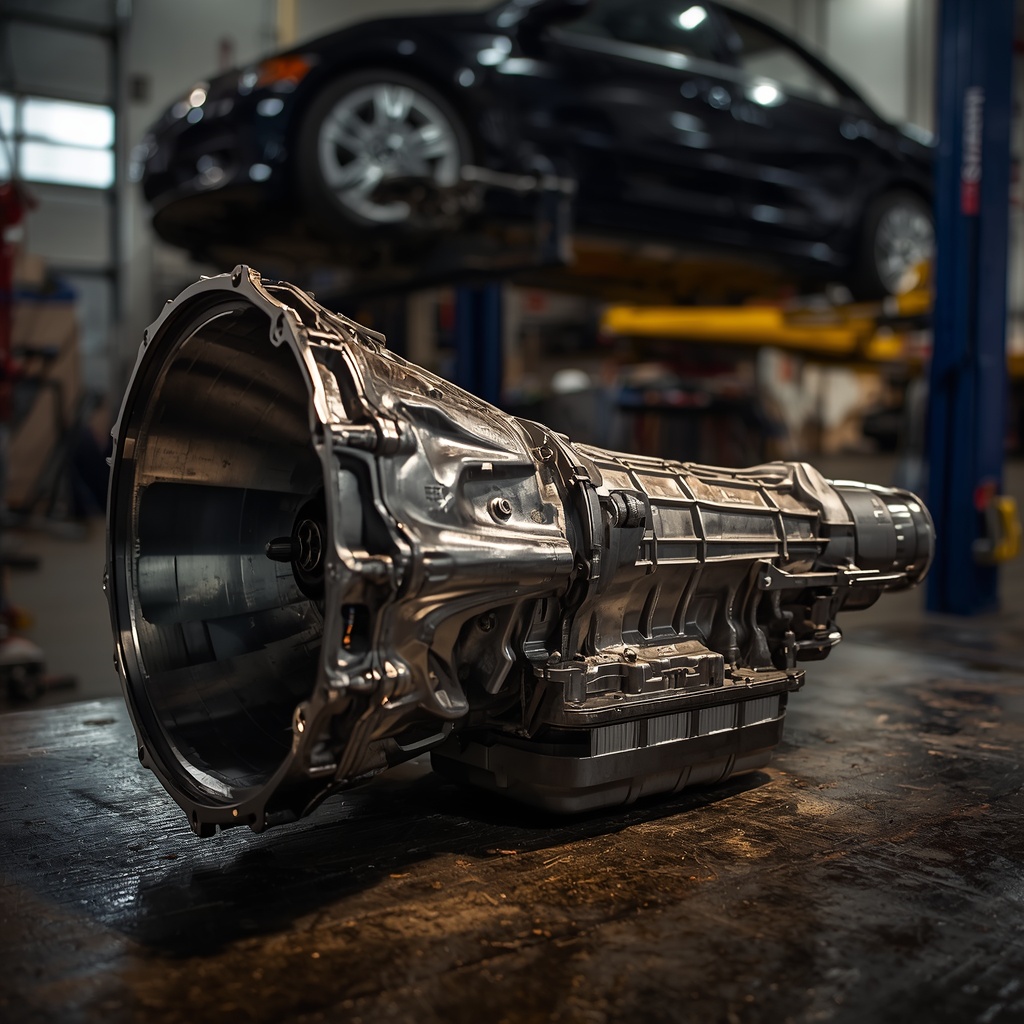
You purchase a used Honda Pilot for ₦4.2 million after a brief test drive and a visual inspection. The seller assured you it was in “perfect condition.” Two months later, the automatic transmission begins slipping. You take it to a mechanic. The verdict? Complete transmission replacement. The bill: ₦900,000 to ₦1.4 million.
Or this one: You buy a tokunbo Toyota Camry SE for ₦3.1 million, thinking you’ve secured a deal. But three months in, you notice the vehicle always pulls to the right, the steering feels off, and alignment corrections don’t hold. A structural inspection reveals the chassis sustained significant damage in a previous accident, and repairs — if they’re even fully possible — would cost close to ₦2 million.
Neither of these scenarios is exaggerated. They happen regularly, and they happen to smart, educated buyers who simply didn’t know what to look for.
A proper inspection would have revealed both problems before the money changed hands.
Essential Documentation to Verify Before Anything Else
Most buyers rush to look under the hood first. Experienced buyers start with the paperwork. Here’s why: if the documents aren’t clean, nothing else matters.
1. Vehicle Registration Certificate (RC)
The Registration Certificate is the most important document in any Nigerian used car transaction. It’s issued by the Federal Road Safety Corps (FRSC) and contains the vehicle’s official details.
What to check:
- The RC clearly shows the vehicle’s VIN (Vehicle Identification Number)
- The VIN on the RC matches the VIN physically stamped on the vehicle (check the dashboard, driver’s door jamb, and engine bay)
- The registered owner’s name matches the seller — or there’s a clear, documented explanation if they’re different (e.g., they’re selling on behalf of a family member with authorization)
- The RC is an original, not a photocopy
- Security features are present and genuine (watermarks, holograms, official stamps)
Why it matters: A mismatched or forged RC can mean you’re buying a stolen vehicle, a cloned vehicle, or one with unresolved legal issues. In all these scenarios, you could lose both the vehicle and your money.
Major red flag: The seller says they’ve “misplaced” the RC but can “arrange” a new one quickly or have a “connection” at FRSC. Legitimate RC replacements take time and require official processes. Anyone offering a quick fix is raising a serious alarm.
2. Vehicle Inspection Certificate (Roadworthiness Certificate)
This document is issued by the FRSC or an authorized inspection center and confirms the vehicle meets Nigerian roadworthiness standards. It’s required annually.
What to check:
- The inspection certificate is current (not expired)
- The details on the certificate match the vehicle
- The document doesn’t show obvious signs of alteration or tampering
- The condition stated matches what you’re seeing with your own eyes
Why it matters: An expired inspection certificate on a vehicle that’s supposedly been regularly driven raises questions. Why hasn’t it been updated? What is the seller trying to avoid having formally inspected?
3. Proof of Ownership (Bill of Sale / Purchase Receipt)
This is the paper trail showing how the current seller acquired the vehicle.
What to check:
- A bill of sale or purchase receipt from the previous owner showing the vehicle’s details, date of purchase, agreed price, and both parties’ signatures
- The narrative of ownership is consistent — the seller’s explanation of how they got the vehicle doesn’t change when you probe further
- There’s no suspiciously short ownership history (bought it two weeks ago and already selling)
Why it matters: This protects you legally. If the vehicle is reported stolen after you buy it, you need documentation proving you acquired it legitimately.
4. Service and Maintenance Records
Not every seller will have these, especially for older vehicles. But when they’re available, they’re invaluable.
What to check:
- Regular maintenance entries (oil changes, filter replacements, scheduled services)
- Repair receipts showing what work has been done and when
- The mileage at each service entry — verify it’s consistent with the current odometer reading
- Workshop stamps and contact details (so you can verify independently)
Why it matters: Service records tell you two things: how well the vehicle was maintained, and whether the odometer reading is consistent with the vehicle’s documented history. Gaps in service records suggest periods of neglect or intentional missing documentation.
5. Insurance Documents and Accident Disclosure
In Nigeria, motor vehicle insurance is compulsory by law, but the enforcement level varies. Still, the insurance document reveals useful information.
What to check:
- The insurance policy is current and covers the vehicle
- The vehicle’s description in the insurance document matches the actual vehicle
- Ask the seller directly: “Has this vehicle ever been in an accident?” They are legally and ethically obligated to disclose material information
- Look for any indication of total-loss or salvage designations on any documents
Important note: While Nigeria lacks a centralized accident history database, you can contact the FRSC and the Nigeria Police Force (through their Auto Crime section) to verify if a vehicle has been reported stolen or declared a total loss by an insurer.
Exterior Inspection: A Panel-by-Panel Walkthrough
Now you’re standing in front of the vehicle. The paperwork checked out. Time to get your hands involved.
Pro tip: Always inspect a vehicle in daylight. Midday sunlight is best for spotting paint imperfections, rust, and mismatched body panels. Never inspect at night under artificial light only — you will miss things that a bright afternoon would reveal immediately.
Step 1: The 360-Degree Walk-Around
Start by walking slowly around the entire vehicle at a distance of about 2 meters. You’re looking for the big picture before diving into details.
What you’re evaluating:
- Does the vehicle sit level on all four corners? (Uneven sitting can indicate spring issues or uneven weight distribution from a repair)
- Do all body panels appear to be at the same height and gap distance?
- Is the paint color consistent across all panels — doors, hood, fenders, trunk?
- Is the vehicle’s profile straight, or does the roofline or body appear twisted?
Step 2: Paint and Body Panel Inspection
This is one of the most revealing parts of the exterior inspection. Fresh paint on a used vehicle is almost always telling you something.
What to look for:
- Color matching: Look carefully at the colors of each panel. Slight variations in shade — even between apparently matching colors — suggest a panel has been resprayed after an accident
- Paint texture: Run your hand gently across the panels. The texture should feel consistent. Rough, grainy areas, or areas that feel significantly smoother than others, suggest body filler (bondo) under the paint — a classic sign of accident repair
- Paint thickness: Professional inspectors use a paint depth gauge. Without one, focus on visual and tactile cues
- Check panel edges and jambs: Open each door and look at the inside edge. If the outer panel was painted, the inside edge will often show the original paint color underneath — creating a visible difference
- Look for overspray: Check rubber trims, window seals, and plastic components for paint overspray — paint on surfaces that shouldn’t have been painted
- Examine gaps: Check the gaps between panels — between hood and fenders, between doors and body. The gaps should be consistent and even. Inconsistent gaps signal accident damage and poor repair
Inspect the underside of panels:
Get low and look underneath the door sills, the inside of wheel arches, and the underside of the bumpers. These hidden areas often show rust or damage that wasn’t cosmetically corrected.
Red flags:
- Any panel with fresh paint when others are clearly aged
- Body filler felt under the paint (a soft, slightly flexible feeling compared to rigid metal)
- Misaligned gaps between panels
- Ripples or waves in body panels when viewed at an angle
- Rust bubbling through paint — especially around wheel arches and door edges
Step 3: Glass and Lights
Windshield and windows:
- Check every piece of glass for cracks, chips, or scratches
- Small chips in the windshield can be repaired inexpensively, but large cracks compromise structural integrity (the windshield contributes to roof strength) and are a safety concern
- A cracked windshield is also an automatic fail during a roadworthiness inspection
Lights:
- Test every single light: headlights, high beams, indicators (front and rear), brake lights, reverse lights, fog lights (if fitted), and interior lights
- Look inside the headlight and taillight covers for moisture, condensation, or corrosion — water inside these units indicates poor sealing or previous damage
Red flags:
- Any cracked or broken windows that haven’t been disclosed
- Non-functional lights
- Moisture or corrosion inside light covers
Step 4: Tires and Wheels
Tires are often the most overlooked item during inspection — and they’re one of the most critical safety components.
Tread depth:
- Legal minimum tread depth is 1.6mm, but practically speaking, anything under 3mm should prompt negotiation for price reduction or immediate replacement
- The easiest check: insert a ₦1 coin into the tread groove. If you can see the rim of the coin clearly, the tread is too shallow
- More accurate: use an inexpensive tread depth gauge (available at most auto accessory stores for around ₦2,000–₦5,000)
Wear patterns:
This is extremely important and often overlooked. The way tires wear tells you about mechanical problems:
- Even wear across the tread: Normal — good news
- Worn in the center only: The tire has been overinflated consistently
- Worn on both edges: The tire has been chronically underinflated
- Worn on one edge only: Alignment or suspension problems — which will cost money to fix
- Cupping or scalloped wear: Worn shock absorbers — the vehicle bounces instead of tracking smoothly
Sidewalls:
- Look for bulges, cracks, cuts, or bubbles
- A bulge in a sidewall means the tire’s structural integrity is compromised — it can blow out at any time and is extremely dangerous at highway speeds
Wheels:
- Check all four wheels for cracks, bends, or corrosion
- Minor curb rash (scraping on wheels) is cosmetic and common
- Bent or cracked wheels are a safety issue and are expensive to replace
Spare tire:
Don’t forget to check the spare. A vehicle without a usable spare on Nigerian roads is a problem waiting to happen.
Red flags:
- Tread depth below 3mm on any tire
- Mismatched tire brands or sizes on the same axle
- Sidewall bulges or cracking
- Uneven wear patterns indicating alignment or suspension issues
- No usable spare tire
Step 5: Undercarriage Inspection
Get down and look under the vehicle. Bring a flashlight.
What to look for:
- Fluid stains: Fresh oil, coolant, or transmission fluid stains on the ground where the vehicle is parked. Some staining is normal for older vehicles, but active dripping leaks are a problem
- Rust: Surface rust is common on older vehicles in Nigerian conditions. But heavy, flaking rust — especially on structural components like the frame rails — is serious
- Exhaust condition: Follow the exhaust system from the engine to the rear. Look for holes, cracks, and hanging sections. Listen later during the test drive for blowing sounds
- Flood damage indicators: Heavy mud deposits in hidden crevices, rust on components that typically don’t rust (interior hardware, for example), and water lines on suspension components
- Impact damage: Look for bent or deformed sections, improvised repairs, or areas that appear freshly cleaned compared to their surroundings
Red flags:
- Active fluid leaks
- Heavy structural rust
- Evidence of flood damage
- Bent or repaired structural components
Interior Inspection: Comfort, Safety, and Functionality
Open the door and step inside. The interior tells you a great deal about how this vehicle was lived in.
Step 1: First Impression — Smell and Feel
Before you look at anything specific, take a moment.
What do you smell?
- Fresh, clean smell: good sign
- Light air freshener: could be masking odors — investigate further
- Strong air freshener: almost certainly masking something
- Mildew or mold: serious indicator of water intrusion
- Cigarette smoke: deeply embedded and very hard to eliminate
- Burning smell: electrical issues or other problems
What do you feel?
- Check under the floor mats (especially the driver’s mat and front passenger mat) — this is where water accumulates and mold begins. Feel for dampness
- Check the base of the seats and under the seats for water stains or rust
- Press on the carpet — does it feel damp or spongy?
Step 2: Seats, Upholstery, and Seatbelts
Seats:
- Assess the condition of all seats: front driver, front passenger, and all rear seats
- Minor wear on the driver’s seat is normal and expected — excessive wear, tears, or burn marks suggest heavy use or neglect
- Check that all seat adjustment mechanisms work (manual or electric)
- If electric seats: test all movement directions
Seatbelts — absolutely critical:
- Test every single seatbelt in the vehicle, including rear belts
- Pull each belt out fully and let it retract — it should retract smoothly and lock properly
- Click each buckle and verify it holds, then releases properly
- Look for cuts, fraying, or signs of damage to the belt material
- Non-functional seatbelts are both a safety issue and a legal one in Nigeria
Step 3: Dashboard, Controls, and Electronics
Turn the ignition to the “on” position without starting the engine. This activates the electrical system.
What to test:
- All dashboard warning lights should illuminate briefly and then go off (this is the self-test cycle). Any light that remains on when the engine is off indicates a registered fault
- Test the air conditioning — set to maximum cold and wait 5 minutes
- Test all heating settings
- Cycle through all fan speeds (there should be at least 4 distinct speeds)
- Test the radio/audio system and check all speaker positions
- Test power windows — all of them, from the driver’s door control and from each individual door
- Test the central locking system
- Test the horn
- Test the windshield wipers at different speeds — with washer fluid
- If the vehicle has a screen or navigation system, verify it powers on and functions
Pay attention to:
- Warning lights that don’t extinguish (check engine, ABS, airbag, oil pressure)
- Features that don’t work (non-functional window is a negotiation point)
- Electrical burning smell from any vents or switches
Step 4: Climate Control Assessment
In Nigeria’s climate, air conditioning isn’t a luxury — it’s a necessity.
A/C inspection:
- Set to maximum cold, maximum fan speed
- Within 5 minutes, the air from the vents should feel distinctly cold — not just slightly cool
- A vehicle that needs refrigerant (gas) is a minor repair, typically ₦10,000–₦30,000 at a reputable shop
- But if the compressor is faulty, you’re looking at ₦80,000–₦200,000+ depending on the vehicle
- Smell the air from the vents — musty or moldy smell indicates mold in the evaporator, which is expensive and unpleasant to address
- Run the A/C for 10 minutes and check for water dripping inside the vehicle — this indicates a blocked condensate drain
Red flags:
- A/C that doesn’t cool effectively
- Musty smell from vents
- Water dripping inside the cabin when A/C runs
- Fan that only works on certain speeds (common failure is blower motor resistor — not expensive, but tells you about maintenance)
Engine and Mechanical Systems: What to Check Under the Hood
Opening the hood is where many buyers get intimidated. But you don’t need to be a mechanical engineer to conduct a useful basic engine inspection. Here’s exactly what to look for.
Safety First: Engine Temperature
Never inspect a hot engine. If the seller just drove the vehicle before you arrived (always ask), give the engine 15–20 minutes to cool before reaching inside.
A warm engine can burn you, and some problems — like checking oil — aren’t accurately assessed on a hot engine.
Tactic: If possible, ask to be the first appointment of the day, before the seller drives the vehicle. A cold start reveals problems that warm starts can mask.
Step 1: Fluid Levels and Condition
Engine Oil:
- Locate the oil dipstick (usually a brightly colored ring — yellow, orange, or red)
- Pull it out, wipe it on a clean rag, reinsert it fully, and pull it out again
- Check the level: it should be between the MIN and MAX marks
- Check the color: Fresh oil is golden-brown. Oil due for a change is dark brown to black. Milky or frothy oil is a serious problem — it indicates water or coolant mixing with the oil, which typically means a blown head gasket or cracked engine block. This is an expensive repair
- Smell the oil: Fresh oil has a slightly mechanical, petroleum smell. Oil with a burnt smell means it’s been running too hot
Coolant:
- Look for the coolant reservoir (usually a translucent plastic bottle with a MIN/MAX marking)
- Level should be between the marks
- Color should be consistent — typically green, orange, or pink depending on the coolant type used
- A milky or oily appearance in the coolant (just like milky oil) indicates engine contamination — another head gasket warning sign
- Never open the radiator cap on a hot engine — the pressurized hot coolant can cause serious burns
Brake Fluid:
- The brake fluid reservoir is typically near the firewall on the driver’s side
- Check the level against the MIN/MAX markings
- Brake fluid should be clear to light amber. Very dark brake fluid means it hasn’t been changed in years and has absorbed moisture — it will need to be replaced
Power Steering Fluid:
- Check the power steering reservoir (if the vehicle has hydraulic power steering — many newer vehicles have electric power steering and don’t have this reservoir)
- Level should be adequate, fluid should be clear to light amber
Transmission Fluid (Automatic):
- Many modern automatics don’t have a dipstick for transmission fluid (sealed unit)
- If there is a dipstick, pull it and check: the fluid should be pink to light red. Dark brown or burnt-smelling transmission fluid indicates overheating and potential damage
Red flags:
- Milky or frothy engine oil
- Very low fluid levels without explanation
- Dark, contaminated fluids across the board
- Coolant with oily residue
Step 2: Visual Engine Bay Inspection
Stand in front of the open hood and simply look carefully before touching anything.
What you’re looking for:
- Overall cleanliness: A completely steam-cleaned engine bay can be a warning sign. Sellers sometimes do this specifically to hide leaks, since a clean engine makes it hard to spot fresh fluid seepage
- Evidence of leaks: Look for staining, seepage, or dried residue around hoses, the oil pan, valve cover, timing cover, and anywhere fluids could escape
- Belt condition: Look at the serpentine belt and any other visible belts. Cracking, fraying, or glazing (shiny surface) indicates age and imminent failure
- Hose condition: Squeeze any accessible rubber hoses (when cool). They should feel firm but supple, not hard and brittle or soft and spongy
- Wiring condition: Look for frayed, burned, or improvised wiring repairs. Good insulation tape is acceptable; bare wires or burned insulation is not
- Battery condition: Look at the battery terminals. White or blue powdery deposits (corrosion) is common and not necessarily alarming in small amounts, but heavy corrosion suggests charging system issues or a battery that’s been struggling
- VIN number: There’s a VIN stamped or riveted in the engine bay of most vehicles. Verify it matches the RC and the dashboard VIN
Step 3: Cold Start Observation
Now start the engine.
What to watch and listen for:
During cranking (before the engine fires):
- Should take no more than 2–3 seconds of cranking. Extended cranking suggests fuel system issues, battery problems, or compression issues
At startup:
- A brief period of slightly rough idle is normal as oil pressure builds — this should last no more than 5 seconds
- Listen for any ticking (often normal, especially as oil pressure builds), knocking, or rattling that persists beyond the first few seconds
- Watch for smoke from the engine bay (not from the exhaust — we’ll check that separately)
At idle (engine running, in park):
- The idle should settle and become smooth within 30 seconds
- A consistently rough or shaky idle indicates misfiring cylinders, vacuum leaks, or sensor problems
- The idle should hold steady at approximately 750–900 RPM for most engines
Understanding exhaust smoke color — this is crucial:
- Thin white vapor on cold start: Normal in harmless quantities on cool mornings — this is condensation burning off
- Thick white smoke from the exhaust that persists: Coolant burning in the engine — head gasket failure. Expensive repair
- Blue smoke: Engine is burning oil — worn piston rings or valve stem seals. The repair range is wide, but it’s not cheap
- Black smoke: Engine running excessively rich — burning too much fuel. Fuel injector issues, sensor problems, or other fuel system faults
- No smoke and smooth idle: Good sign
Step 4: Suspension and Steering Physical Check
With the engine off and the wheels straight, stand at the front of the vehicle and push down firmly on the hood or front bumper. Release.
What should happen: The front of the car should bounce once and return to position. If it bounces two or three times (like a boat), the shock absorbers are worn — budget for replacement.
Repeat at the rear.
Then: grab the top of the front wheel with both hands (12 o’clock and 6 o’clock positions) and try to rock it in and out. Then grab the sides (9 o’clock and 3 o’clock) and do the same.
What you’re feeling for: Any play, clunking, or movement in the wheel bearing or steering components. Wheels should feel solid with no looseness.
The Test Drive: How to Evaluate Real-World Performance
A vehicle can hide many problems while sitting still. The test drive is where they announce themselves.
Before You Drive
- Bring your driver’s license
- Bring a trusted friend or family member — never test drive alone
- Inform someone of your location and expected return time
- Tell the seller you’ll need at least 20 minutes of driving
- Any seller who limits your test drive time to under 10 minutes is limiting your ability to properly evaluate the vehicle — a red flag
Choosing Your Test Route
A good test drive route includes:
- Quiet residential street — for slow-speed maneuvering, starting and stopping
- Expressway or open road — for full acceleration and highway cruising
- A bumpy or rough road — to assess suspension
- An incline or hill — to test transmission under load
- A traffic situation — for repeated braking and steering responses
What to Evaluate at Each Stage
Cold Start:
Does the engine start on the first attempt? Does it idle smoothly within 30 seconds?
Pulling Away:
For automatics: the shift from Park to Drive should be smooth. Reverse engagement should be firm but not harsh. Any shuddering or delay getting moving suggests transmission issues.
For manuals: the clutch engagement point should feel natural and smooth. Any slipping (engine revs rising but acceleration lagging) or harsh juddering suggests a worn clutch.
Acceleration:
- Accelerate moderately from 0 to 60 km/h and listen carefully
- The engine should pull smoothly and consistently
- For automatics, gear changes should be seamless — you might barely feel them in a well-maintained transmission
- Hesitation during acceleration suggests fuel delivery or ignition problems
- A knocking sound that increases with engine speed (especially under load) suggests engine bearing wear — a very serious issue
Highway Cruising (80–100 km/h):
- Does the vehicle track straight without constantly needing steering correction?
- Is there any vibration through the steering wheel? (Vibration at specific speeds often indicates wheel balance issues — relatively inexpensive to fix)
- Is the cabin noise level acceptable?
- Does the engine feel strained or comfortable at cruising speed?
Braking:
- Find a clear, safe area and apply the brakes firmly from about 60 km/h
- The vehicle should slow quickly and in a straight line without pulling to one side
- The brake pedal should feel firm — not soft or spongy (spongy brakes suggest air in the brake lines or a hydraulic issue)
- No vibration through the pedal (pulsating indicates warped brake discs — a common issue, moderate cost to fix)
- Listen for any grinding or squealing sounds under braking (grinding = metal on metal, meaning pads are completely worn)
Steering and Handling:
- On an open, safe road, briefly release your hands from the steering wheel — the vehicle should track straight without drifting significantly
- Turn the wheel from lock to lock at slow speed and listen for clicking or clunking from the front end
- Notice the steering weight — it should feel consistent and responsive, not vague or pulling
Suspension Over Bumps:
- Drive slowly over a speed bump or pothole
- You should hear minimal suspension noise — a well-maintained suspension absorbs bumps quietly
- Clunking, rattling, or harsh impacts suggest worn suspension components
Reverse:
- Try reversing in a gentle arc — you’ll feel any binding, pulling, or transmission hesitation
- If the vehicle has a reverse camera or sensors, verify they work
Warning Signs to Stop the Test Drive Immediately
If you experience any of the following, stop safely and don’t continue. Have a professional assess the vehicle before making any decision:
- The brakes feel seriously unresponsive or require extreme pedal pressure
- The steering feels like it might suddenly fail or is extremely vague
- There’s a burning smell coming from anywhere in the vehicle
- The temperature gauge rapidly climbs toward the red zone
- Any warning light illuminates during the drive
- The vehicle makes a sudden, severe knocking sound
Getting a Professional Pre-Purchase Inspection
You’ve completed your personal inspection and test drive. If the vehicle still looks promising, this next step is absolutely non-negotiable.
Hire an independent, qualified mechanic or automotive inspection service to conduct a comprehensive pre-purchase inspection.
Why “Independent” Is the Key Word
Never rely solely on the seller’s recommended mechanic. Even if that mechanic is technically excellent, there’s an obvious conflict of interest. Always hire your own trusted inspector.
What a Comprehensive Professional Inspection Covers
A thorough pre-purchase inspection typically includes:
| Inspection Area | What’s Checked |
|---|---|
| Engine | Compression test, oil condition, leak detection, timing |
| Transmission | Fluid condition, shift quality, slip testing |
| Electrical System | OBD diagnostic scan (reads fault codes), battery health |
| Brakes | Pad thickness, disc condition, hydraulic system |
| Suspension | All bushings, ball joints, shock absorbers, springs |
| Steering | Play, rack condition, power steering integrity |
| Exhaust | Integrity from manifold to tip |
| Body/Chassis | Frame straightness, evidence of accident repair |
| Air Conditioning | Refrigerant charge, compressor function |
| Undercarriage | Rust assessment, leak detection |
What Does a Professional Inspection Cost in Nigeria?
| Inspection Type | Typical Cost Range |
|---|---|
| Basic mechanical check | ₦5,000 – ₦10,000 |
| Comprehensive inspection | ₦15,000 – ₦30,000 |
| Full diagnostic with computerized scan | ₦25,000 – ₦50,000 |
| Authorized dealership inspection | ₦30,000 – ₦60,000 |
Consider this: if you’re buying a vehicle for ₦3 million, spending ₦25,000 on a professional inspection represents less than 1% of your purchase price. It’s the best possible insurance you can buy before committing.
Always Request a Written Report
Ask for a written inspection report with photographs. This serves multiple purposes:
- Provides documentation of the vehicle’s condition at the time of inspection
- Gives you concrete information to negotiate with
- Protects you legally if disputes arise after purchase
- Helps you budget for maintenance and repairs you’ll need to address
Red Flags That Should Stop You From Buying
Some problems are dealbreakers. Here’s a clear list of situations that should cause you to walk away:
Document Red Flags — Walk Away Immediately
- Missing, expired, or suspicious registration certificate (RC)
- VIN that doesn’t match across multiple locations (dashboard, door jamb, engine bay, RC)
- Seller becomes evasive or changes their story when asked about ownership history
- Documents that show signs of alteration (erasures, whiteout, misaligned text)
- Multiple ownership transfers within a short period
- Seller cannot produce any proof of how they acquired the vehicle
Structural Red Flags — Walk Away
- Misaligned body panels with inconsistent gaps
- Evidence of fresh paint covering large sections of the body
- Body filler felt under the paint surface
- Frame rails that appear bent, corrugated, or improperly welded
- Severe undercarriage rust suggesting flood damage
- A vehicle that sits visibly crooked (lower on one side)
Mechanical Red Flags — Walk Away or Get Expert Opinion First
- Milky, foamy engine oil (head gasket failure)
- Blue or persistent white smoke from the exhaust
- Severe engine knocking that continues when the engine warms up
- Transmission that slips, shudders, or refuses to engage properly
- Brakes that feel completely unresponsive
- Active fluid leaks from the engine, transmission, or brake system
Seller Behavior Red Flags — Walk Away
- Seller refuses to allow a professional inspection
- Seller is pressuring you to decide immediately (“I have another buyer coming this afternoon”)
- Price is dramatically lower than comparable vehicles — below market for no apparent reason
- Seller insists on cash only and won’t provide receipts
- Seller refuses to provide their full contact details
- Seller seems evasive about where the vehicle came from
- The vehicle’s location keeps changing or the seller wants to meet in unusual places
Your Complete Used Car Inspection Checklist
Print this and bring it to every vehicle inspection you conduct.
DOCUMENTATION CHECKLIST
| Item | ✓/✗ | Notes |
|---|---|---|
| Registration Certificate (RC) present | ||
| RC matches VIN on vehicle | ||
| RC owner matches seller (or explained) | ||
| Roadworthiness Certificate current | ||
| Proof of ownership / bill of sale | ||
| Service records available | ||
| Insurance documents present | ||
| No reported stolen status (verified) |
EXTERIOR CHECKLIST
| Item | Good | Fair | Poor | Notes |
|---|---|---|---|---|
| Paint consistency across all panels | ||||
| No evidence of repainting | ||||
| No body filler under paint | ||||
| Body panel gaps consistent | ||||
| Windshield condition | ||||
| All windows intact | ||||
| All lights functional | ||||
| No moisture inside light covers | ||||
| Tire tread depth adequate (3mm+) | ||||
| Tire wear pattern even | ||||
| No sidewall bulges or cracks | ||||
| Wheels undamaged | ||||
| Spare tire usable | ||||
| No significant undercarriage rust | ||||
| No active fluid leaks underneath | ||||
| Doors open/close properly | ||||
| Door seals intact |
INTERIOR CHECKLIST
| Item | Good | Fair | Poor | Notes |
|---|---|---|---|---|
| No mold or mildew odor | ||||
| No smoke smell | ||||
| No dampness under mats | ||||
| Seat condition | ||||
| All seatbelts functional | ||||
| Dashboard intact | ||||
| All controls function | ||||
| No persistent warning lights | ||||
| A/C blows cold air | ||||
| Heating works | ||||
| All fan speeds work | ||||
| Power windows all work | ||||
| Central locking works | ||||
| Audio system functions | ||||
| Horn works | ||||
| Windshield wipers function |
ENGINE AND MECHANICAL CHECKLIST
| Item | Good | Fair | Poor | Notes |
|---|---|---|---|---|
| Oil level adequate | ||||
| Oil color healthy (not milky) | ||||
| Coolant level adequate | ||||
| Coolant color normal | ||||
| No milky appearance in coolant | ||||
| Brake fluid level adequate | ||||
| No visible engine bay leaks | ||||
| Belt condition acceptable | ||||
| Hose condition acceptable | ||||
| Wiring in good condition | ||||
| Battery terminals not corroded | ||||
| Engine starts smoothly | ||||
| Idle settles quickly and smoothly | ||||
| No persistent warning lights at idle | ||||
| No blue/white/black exhaust smoke | ||||
| Suspension bounce test (1 bounce only) | ||||
| No wheel play detected |
TEST DRIVE CHECKLIST
| Item | Good | Fair | Poor | Notes |
|---|---|---|---|---|
| Smooth acceleration | ||||
| Transmission shifts smoothly | ||||
| No slipping or hesitation | ||||
| Brakes responsive and firm | ||||
| No brake vibration or pulling | ||||
| No grinding/squealing brakes | ||||
| Steering responsive and straight | ||||
| Vehicle doesn’t pull to one side | ||||
| Suspension quiet over bumps | ||||
| No knocking or pinging | ||||
| No unusual vibrations | ||||
| No burning smells | ||||
| A/C effective during drive |
FINAL ASSESSMENT
| Item | Assessment |
|---|---|
| Overall Condition | ☐ Excellent ☐ Good ☐ Fair ☐ Poor |
| Documentation Status | ☐ Complete ☐ Incomplete ☐ Suspicious |
| Known Issues to Address | |
| Estimated Repair Costs | ₦ |
| Asking Price | ₦ |
| Fair Market Value | ₦ |
| Recommended Action | ☐ Buy ☐ Negotiate ☐ Get Pro Inspection First ☐ Walk Away |
| Professional Inspection Booked? | ☐ Yes ☐ No |
Common Used Vehicle Scams in Nigeria — and How to Avoid Them
Knowing the most common scams is one of your best defenses. Here’s a detailed breakdown of what to watch for.
Scam 1: Odometer Fraud (Odometer Rollback)
How it works: Electronic devices are used to alter the digital odometer to show a lower mileage than the vehicle has actually traveled. A vehicle with 220,000 km might be presented as having 80,000 km — justifying a much higher asking price.
How to detect it:
- Look at interior wear relative to the displayed mileage. A steering wheel that’s worn thin, heavily worn pedal rubber, and severely faded seat centers don’t belong on a “low mileage” vehicle
- Check service records — if they exist, trace the mileage progression. Does it make sense?
- Look at tire wear — brand-new tires on a “low mileage” vehicle with worn interior suggests the tires were recently replaced to support the fraud
- Have a professional mechanic assess wear patterns on engine components and compare to the odometer reading
Scam 2: Flooded Vehicle Resale
How it works: During flooding in Lagos, Port Harcourt, Benin, or other flood-prone areas, vehicles are submerged. They’re then dried out, cosmetically cleaned, and resold at or near normal market prices, without disclosure of the flood damage.
The real problem: Flood damage causes long-term corrosion, electrical system degradation, mold growth, and engine damage that can take months to manifest fully. You may buy the vehicle fine and have major problems 6–12 months later.
How to detect it:
- Check under floor mats for water staining and rust on the metal floor
- Inspect the undercarriage for excessive rust — especially in areas that normally stay dry
- Look for rust on seatbelt retractor mechanisms (they shouldn’t rust on a non-flooded vehicle)
- Check the spare tire well for water stains or rust
- Look at electrical connectors under the dashboard for corrosion
- Check the headlining and door cards for water stain marks
- Smell the vehicle carefully for mold or mildew, especially inside the boot (trunk)
- Be particularly cautious when buying vehicles from flood-prone areas during or after heavy rainy seasons
Scam 3: Accident-Damaged Vehicles Presented as Clean
How it works: A vehicle that sustained serious accident damage — compromised chassis, airbag deployment, structural deformation — is cosmetically repaired to a “good enough” appearance and sold without accident disclosure.
The real problem: Structural damage affects the vehicle’s ability to protect occupants in a subsequent accident. Airbags that have been deployed and replaced by unqualified mechanics may not deploy correctly in future accidents.
How to detect it:
- Look for inconsistent gaps between body panels — especially around doors, the hood, and the boot lid
- Check that the hood and boot open and close smoothly without binding
- Look for overspray on rubber door seals and trim pieces
- Check that the steering wheel’s center is undamaged — deployed airbags often show signs even after replacement
- Ask specifically: “Were the airbags ever deployed?” Look at the steering wheel and dashboard airbag cover for signs
- Have a professional mechanic put the vehicle on a lift and inspect the frame rails
Scam 4: Vehicle Cloning (VIN Cloning)
How it works: A stolen vehicle’s identity is given to another vehicle — the VIN from a legitimately registered vehicle is used to create registration documents for the stolen car. You could end up owning a stolen vehicle that the original owner can legally recover.
How to detect it:
- Check the VIN in every location it appears — dashboard (visible through the windshield), door jamb sticker, under the hood on the firewall. All must match exactly
- Verify the RC directly with FRSC
- Look carefully at the VIN plate on the dashboard — a cloned vehicle may have a plate that’s been replaced or tampered with. Look for tool marks around the rivets or inconsistent font
Scam 5: Seller Impersonation or “Third Party” Sales
How it works: Someone who doesn’t own the vehicle — or has no legal authority to sell it — poses as the owner or an authorized agent. This sometimes occurs in stolen vehicle sales, inheritance disputes, or loan-recovery fraud (where the seller took a loan using the vehicle as collateral and is trying to sell before the lender repossesses it).
How to detect it:
- Insist on meeting the actual registered owner shown on the RC
- Verify that the person selling the vehicle matches the RC owner’s name and can produce matching ID
- Be especially cautious of “I’m selling on behalf of someone who is traveling” — this is a common cover story
- Check for any lien or loan using the vehicle as collateral (difficult in Nigeria but ask the seller directly and make it a contractual representation)
Frequently Asked Questions
1. How much should I realistically budget for a professional pre-purchase inspection in Nigeria?
For a thorough inspection including a basic OBD diagnostic scan, physical mechanical inspection, and written report, budget between ₦20,000 and ₦40,000 at a reputable independent mechanic or inspection center. In major cities like Lagos and Abuja, some specialists charge up to ₦60,000 for a comprehensive report with photographs. This is money extremely well spent before a purchase of ₦2 million or more.
2. Can I negotiate the vehicle price based on inspection findings?
Absolutely, and you should. If the inspection reveals issues — even minor ones like tires that need replacement soon (₦80,000–₦200,000 for a set of four), an A/C system needing refrigerant (₦15,000–₦30,000), or brake pads nearing replacement (₦20,000–₦60,000) — calculate the total cost of these repairs and deduct them from the asking price. Most sellers expect negotiation. A concrete, documented list of required repairs gives you a very strong negotiating position.
3. What should I do if the seller refuses to allow a professional inspection?
Walk away. This is not a close call — it’s a non-negotiable red flag. Any legitimate seller of a legitimate vehicle expects and accepts the buyer’s request for a professional inspection. The only reason to refuse is if there’s something to hide. Save yourself the stress and find another vehicle.
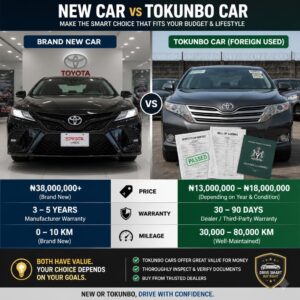
4. Is a tokunbo (imported) car automatically better than a locally-used Nigerian car?
Not necessarily. The advantage of tokunbo cars is that they often come from countries with better road conditions, more rigorous maintenance cultures, and better availability of service records. However, they’ve also been shipped internationally, which can introduce its own issues if the shipping process was rough or if the vehicle’s history was obscured. Both categories require the same thorough inspection. Don’t assume a tokunbo car is automatically problem-free simply because it was imported.
5. How do I verify if a vehicle in Nigeria has been reported stolen?
Contact the Federal Road Safety Corps (FRSC) at www.frsc.gov.ng with the vehicle’s VIN and registration number to check official records. You can also contact the Nigeria Police Force through their Auto Crime section. In Lagos, the Rapid Response Squad (RRS) has resources for vehicle status verification. This check should be completed before finalizing any purchase.
6. How can I tell if a vehicle has flood damage if it looks clean inside?
Sellers of flood-damaged vehicles often do a thorough cosmetic cleaning. Look beyond the obvious:
- Check under the spare tyre in the boot for water staining or rust
- Look at the seat belt mechanism housing for rust
- Inspect rubber grommets on the firewall for swelling or cracking
- Look at electrical connectors under the dashboard — flood-damaged vehicles show corrosion at connector pins
- Check inside the dashboard vents with a flashlight for mud residue
- Have a professional conduct an OBD scan — flood-damaged vehicles often have multiple stored fault codes from sensors that were water-damaged
7. What’s a fair price for popular used cars in Nigeria in 2024?
Prices vary significantly based on condition, age, mileage, and specific trim. As a general reference:
| Vehicle | Age | Approximate Price Range |
|---|---|---|
| Toyota Corolla | 2012–2016 | ₦3.5M – ₦6.5M |
| Honda Civic | 2012–2016 | ₦2.8M – ₦5.5M |
| Toyota Camry | 2012–2017 | ₦4.5M – ₦8M |
| Toyota Venza | 2010–2015 | ₦5M – ₦9.5M |
| Lexus RX 350 | 2012–2016 | ₦9M – ₦16M |
| Honda CR-V | 2012–2016 | ₦5.5M – ₦9M |
| Toyota Prado | 2012–2016 | ₦16M – ₦28M |
Always cross-reference with current listings on Jiji.ng, Cars45, and similar platforms to understand current market pricing. Prices shift with exchange rates and import volumes.
8. Should I buy from a registered dealer or a private seller?
Both are legitimate options with different trade-offs:
Registered Dealers:
- Higher prices (they’ve added a margin)
- Some offer limited warranties or guarantees
- Recourse if something goes wrong is clearer
- Documentation is generally more organized
- Vehicles may have been inspected and serviced
Private Sellers:
- Lower prices (no dealer margin)
- Potentially more negotiable
- Less recourse if problems emerge
- Direct access to the person who owned and used the vehicle
- Can sometimes get more honest history directly from the owner
Whichever you choose, apply the same rigorous inspection process. The inspection requirements don’t change based on who’s selling.
9. What should I do if I discover problems after buying?
This is why prevention is so critical. After money changes hands in a private sale in Nigeria, your options are limited. However:
- If the sale was very recent (days), contact the seller and present your documentation
- If you have a written inspection report dated before purchase showing the vehicle was in good condition, you have some basis for a dispute if problems were clearly pre-existing and hidden
- Consult a lawyer for serious cases involving fraud or misrepresentation — this is costly but may be warranted for significant amounts
- Report fraud to the nearest police station
The realistic answer: recovering money after a problematic private sale in Nigeria is extremely difficult. This is why proper pre-purchase inspection is not optional — it’s essential.
10. How do I know if the asking price is reasonable or inflated?
Research is your best tool:
- Check 10–15 similar vehicles on platforms like Jiji.ng, Cars45.com, Cheki.com.ng, and AutoTrader.ng
- Look for vehicles of the same year, model, approximate mileage, and condition
- Calculate the average asking price
- Adjust for any features or condition differences
- Factor in any repairs identified during your inspection
- A price 15–25% above market average needs a very compelling justification (exceptional condition, very low verified mileage, full service history)
- A price 15–25% below market average is a signal to inspect even more carefully — there’s usually a reason
Conclusion: Making Your Final Decision with Confidence
You now have the knowledge, the checklist, and the understanding to approach any used car purchase in Nigeria with the confidence of someone who genuinely knows what they’re doing.
Let’s summarize the essential steps:
Your Complete Action Plan
Before You Visit:
- Research the vehicle model’s common problems online
- Know the fair market price for that vehicle
- Prepare your inspection checklist (printed or on your phone)
- Identify a qualified independent mechanic in the area
At the Inspection:
- Start with documentation — verify ownership, registration, and service history before touching the vehicle
- Inspect the exterior — walk around methodically, check paint, panels, tires, undercarriage
- Inspect the interior — smell, feel, test every control and safety feature
- Check under the hood — fluids, condition, starting, idle
- Take a proper test drive — minimum 20 minutes, varied route
After Your Inspection:
6. Book a professional inspection — always, for any vehicle over ₦1 million
7. Verify the vehicle’s legal status — check with FRSC and Nigeria Police
8. Negotiate based on findings — use documented issues as leverage
9. Trust your instincts — if something feels wrong, walk away
The Most Important Thing to Remember
The Nigerian used car market has incredible opportunities — genuinely good vehicles at reasonable prices. But it also has pitfalls that have trapped smart, educated buyers who simply moved too fast.
Time is your best tool. Take your time. Don’t let sellers rush you. Don’t fall in love with a vehicle before you’ve verified it deserves your affection.
A vehicle that passes a thorough inspection is a vehicle worth buying. A vehicle that fails — or a seller who won’t allow inspection — is a bullet you’ve just dodged.
Your money is hard-earned. Your safety on Nigerian roads matters. The 2–3 hours you invest in a thorough inspection before spending ₦2 million, ₦4 million, or more is the single best automotive investment you can make.
Ready to Find Your Next Vehicle?
Browse trusted used vehicle listings across Nigeria, knowing you now have the knowledge to evaluate every option with confidence. Apply every principle in this guide before you commit to any purchase.
Have a specific vehicle you’re considering and want a second opinion? Share the details in the comments — our automotive experts and community members are here to help.
Need help finding a trusted mechanic or inspection specialist in your city? Check our comprehensive directory of verified automotive service providers across Nigeria.